
Termite control
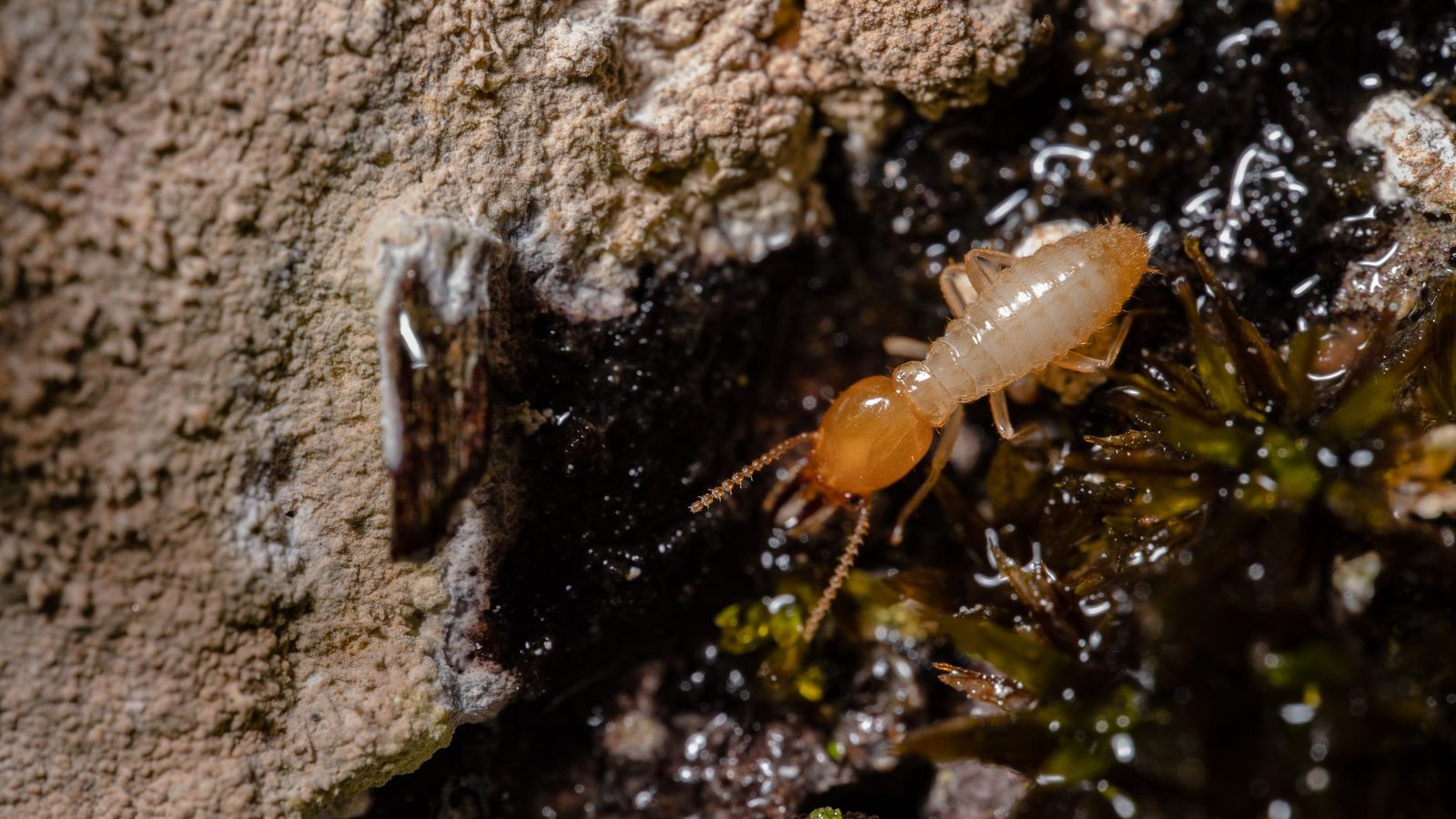
Termites work from the soil up
Soil contact is how they reach the structure. The inspection starts at the foundation line.
Services
Termites, ants, rodents, mosquitoes, ticks and wildlife each need a different method, so they are run as different programs rather than one spray that claims to cover everything.
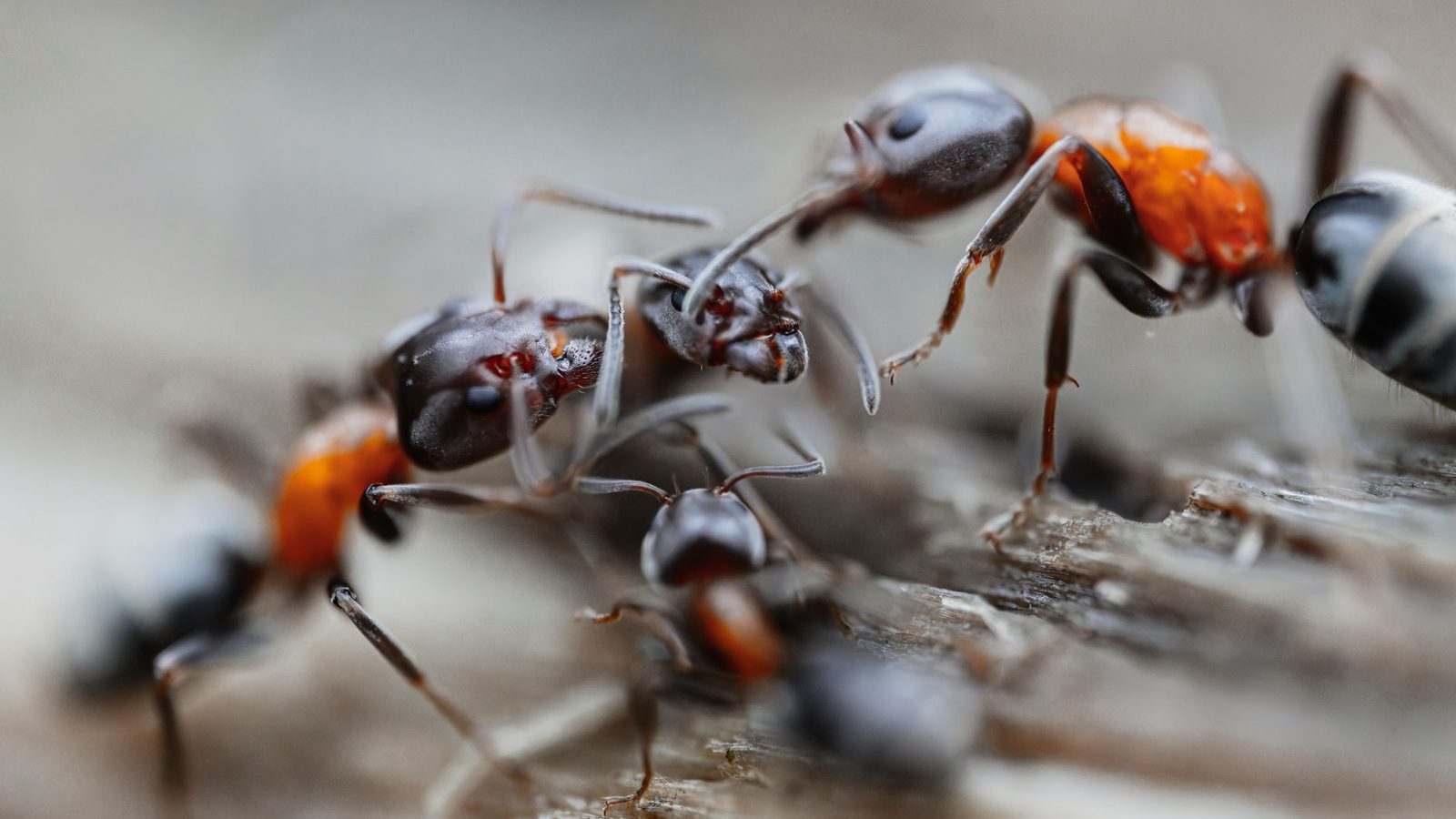
Scheduled interior and exterior service for ants, spiders, roaches and the seasonal pests common in Delaware homes.
Seasonal yard treatment that targets resting sites and standing water, not just the mosquitoes in flight.
Inspection, liquid soil treatment and monitoring for the subterranean termites that dominate Delaware structures.
The NPMA-33 wood-destroying insect report that lenders ask for before a Delaware closing, for buyers, sellers and agents.
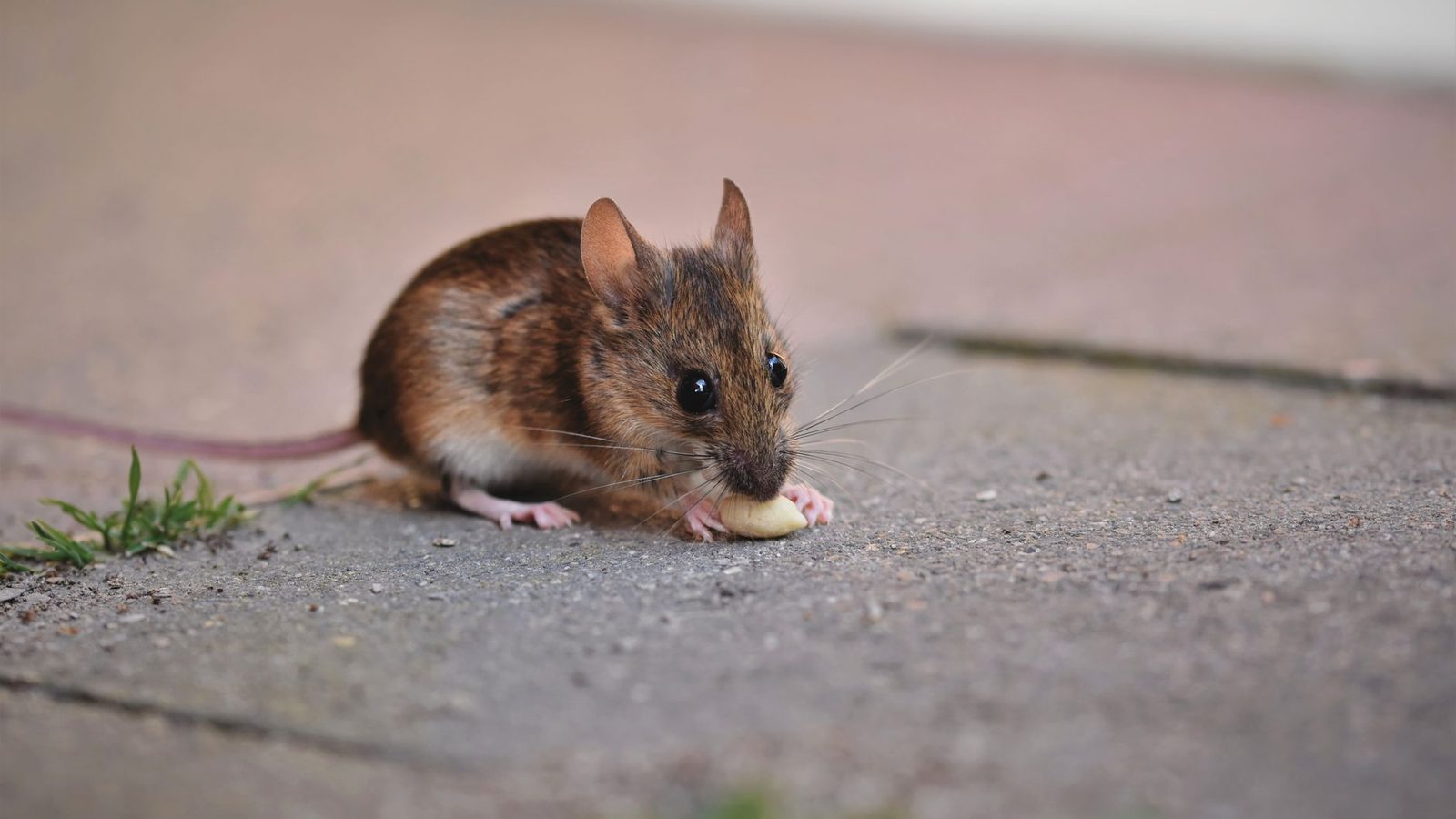
Exclusion-first work on mice and rats: find the entry points, close them, then remove the population.
Inspection-led bed bug work with preparation guidance, targeted treatment and mandatory follow-up visits.
Perimeter and edge-habitat treatment aimed at blacklegged ticks, the Lyme vector active across Delaware.
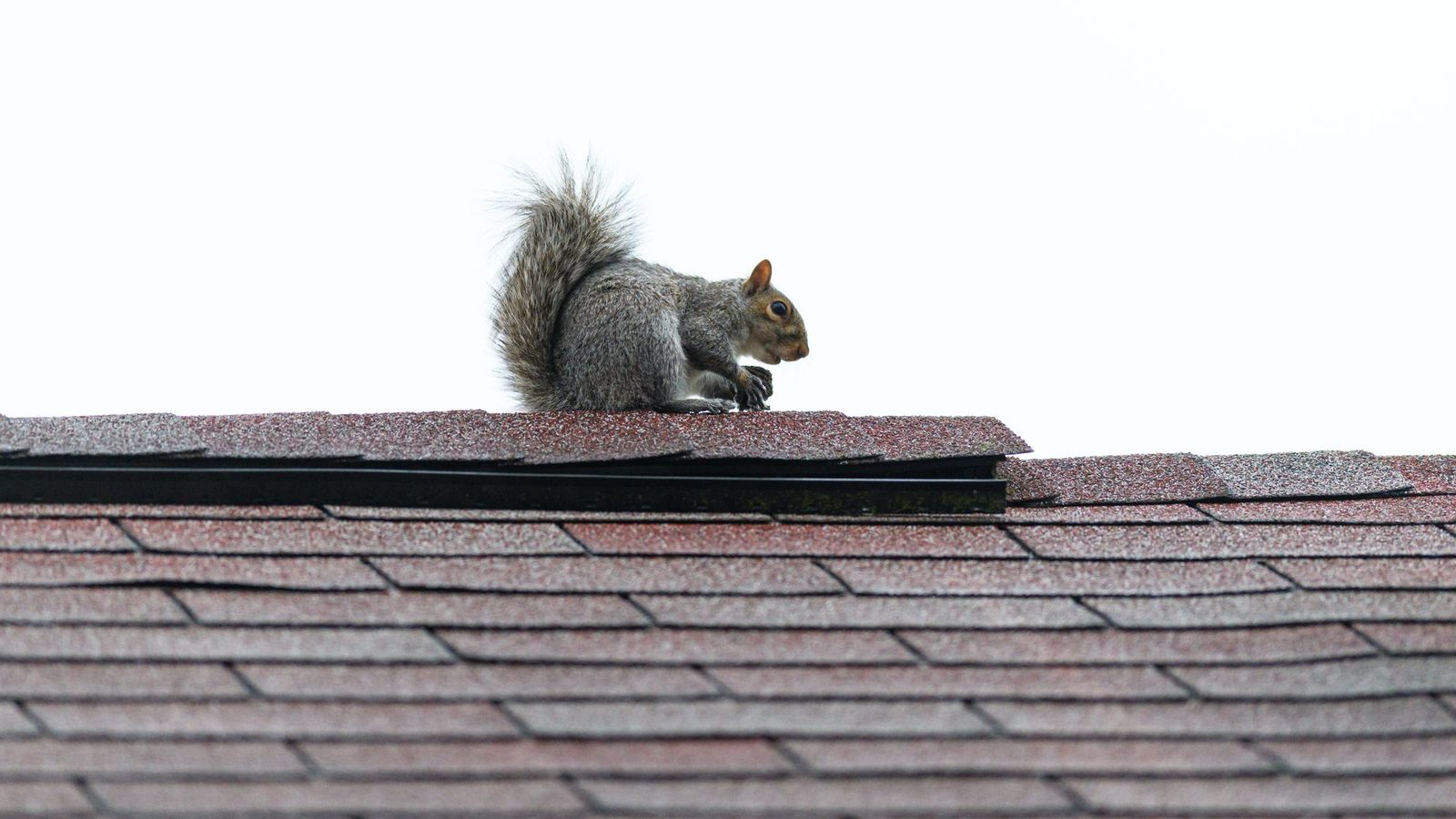
Humane removal and exclusion for squirrels, raccoons, bats, skunks, groundhogs, foxes, opossums, snakes and birds in and around structures.
Documented, scheduled programs for restaurants, retail, offices, warehouses and multi-unit properties.
The Bug Guy's most wanted
Identification comes first. Every pest below has a full field guide — what it looks like, how it got in, what it does, and what actually removes it.
Trailing ants in Delaware kitchens are usually odorous house ants or pavement ants, not carpenter ants.
Large black ants that excavate damp wood rather than eat it, and often signal a leak somewhere.
German cockroaches breed indoors; American and Oriental roaches wander in from sewers, drains and basements.
Eastern subterranean termites work out of the soil and hollow Delaware framing from the inside.
Three mosquito species matter in Delaware, and each one breeds in a different kind of water.
Blacklegged, lone star and American dog ticks all occur in Delaware, and they are not equal risks.
House mice nest in wall voids and cabinets, breed through the winter, and pass through a quarter-inch gap.
The Norway rat is the rat found in Delaware - a burrowing rodent tied to sewers, alleys and farm outbuildings.
How it works
We walk the property and find the entry points, harborage and moisture that are actually driving the problem.
Correct species identification. The treatment for carpenter ants is not the treatment for odorous house ants.
Targeted application using the least-impact product that will do the job. Botanical options on request.
We come back, check the stations and traps, and adjust. Pest pressure changes with the season.
Territory
New Castle, Kent and Sussex counties, from Wilmington to the Maryland line. If your town is not listed, call and ask — the boundary is a service radius, not a wall.
Get on the schedule
Send a few details and we will come out, look properly, and tell you what it will take.